The Culture of Masculinity in First Responders: Impact on Help-Seeking, Self-Report, and Psychological Assessment After Trauma Exposure
Instructor: Simon N. Ferber, Psy.D.
This course is approved for California POST Continuing Professional Education credit.
Course Description
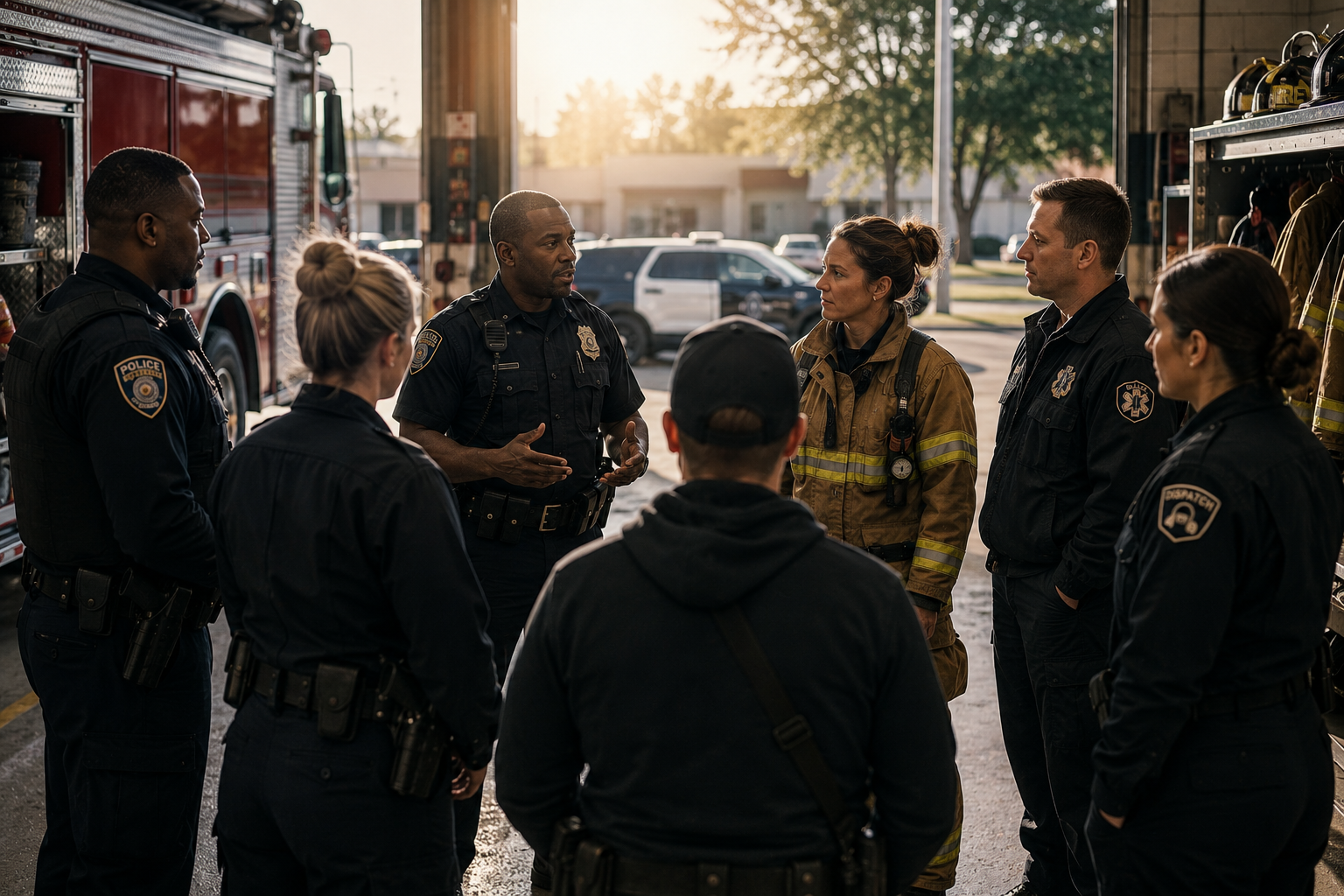
This course examines how traditional masculine norms, amplified through first-responder occupational socialization, shape trauma recognition, help-seeking behavior, and clinical presentation in police, fire, and emergency services personnel. Clinicians will explore how cultural factors affect self-report and psychological assessment following trauma exposure, and develop practical strategies for culturally competent engagement with this population. The course draws on peer-reviewed research, validated psychometric literature, and composite clinical vignettes to translate cultural concepts into actionable clinical practice.
Program Goals
Building upon doctoral-level training in psychological assessment, psychopathology, and evidence-based intervention, this program extends clinicians' competency into the specialized cultural context of first-responder populations. Participants will apply foundational knowledge of trauma, gender role theory, and assessment methodology to a setting in which occupational socialization systematically modifies symptom expression, help-seeking behavior, and the therapeutic alliance, skills not typically addressed in depth within generalist doctoral curricula.
Learning Objectives
After completing this course, participants will be able to:
- Identify the eleven masculine norms measured by the Conformity to Masculine Norms Inventory (CMNI) and describe how each maps onto the occupational demands of first responder roles
- Describe the two mechanisms by which masculine norms shape what a first responder client can and will report during psychological assessment or clinical interview
- Analyze how first responder occupational socialization amplifies traditional masculine norms and explain the clinical implications of the resulting stigma, hypervigilance, and insularity for the therapeutic relationship
- Differentiate between acute and cumulative trauma exposure in first responders and explain how masculine norms interact distinctly with each form of exposure to impair recognition and disclosure of symptoms
- Apply knowledge of masculine norm conformity and first responder occupational culture to assess potential sources of underreporting and somatic symptom presentation when conducting trauma-related psychological evaluations with this population
📄 Downloadable course materials included
Course Outline
- 1Section 1: Masculinity as Culture — Foundations and Framework (25 minutes)
- 2 - Definition of masculinity as socially learned norms versus innate traits
- 3 - The eleven CMNI norms: origins, measurement, and occupational relevance
- 4 - How masculine norms operate on both recognition and reporting of distress
- 5 - Scope note: gender-inclusive application across first-responder populations
- 6Section 2: The Occupational Amplifier — First-Responder Culture and Masculine Norms (30 minutes)
- 7 - Occupational socialization and the fusion of masculine norms with professional competency
- 8 - The strength mandate, stigma, and anticipated career costs of disclosure
- 9 - Warrior identity as an identity-level barrier beyond social stigma
- 10 - Insularity, credibility-testing, and the clinician as outsider
- 11Section 3: Trauma Exposure Patterns in First Responders (25 minutes)
- 12 - Prevalence of trauma exposure and mental disorder screening rates relative to general population
- 13 - Distinguishing single critical incidents from cumulative career-length exposure
- 14 - Why masculine norms are especially corrosive in the context of cumulative trauma
- 15 - Clinical indicators when a presenting incident conceals years of undisclosed exposure
- 16Section 4: Masculine Norms and the Trauma Response — Recognition, Expression, and Coping (30 minutes)
- 17 - Impaired recognition: somatic and behavioral symptom presentation over emotional labeling
- 18 - Below-conscious avoidance responses to vulnerability and implications for self-report
- 19 - Procedural detachment in trauma narration and the risk of clinician underestimation
- 20 - Masculine coping strategies: self-reliance, substance use, and occupational over-engagement
- 21Section 5: Implications for Psychological Assessment and Help-Seeking (25 minutes)
- 22 - How masculine norms distort self-report on standardized instruments
- 23 - Distinguishing cultural guardedness from clinical resistance or poor engagement
- 24 - Confidentiality concerns and career-consequence fears as primary assessment barriers
- 25 - Strategies for establishing credibility and adapting assessment practice with this population
- 26Section 6: Adaptive Masculinity and Culturally Informed Clinical Engagement (15 minutes)
- 27 - Genuine occupational assets embedded in masculine norms: resilience, mission orientation, and unit cohesion
- 28 - Reframing help-seeking within the culture's own values rather than against them
- 29 - Summary of evidence-based recommendations for clinicians working with first responders
- 30 - Course conclusions and key takeaways across all modules
About the Instructor
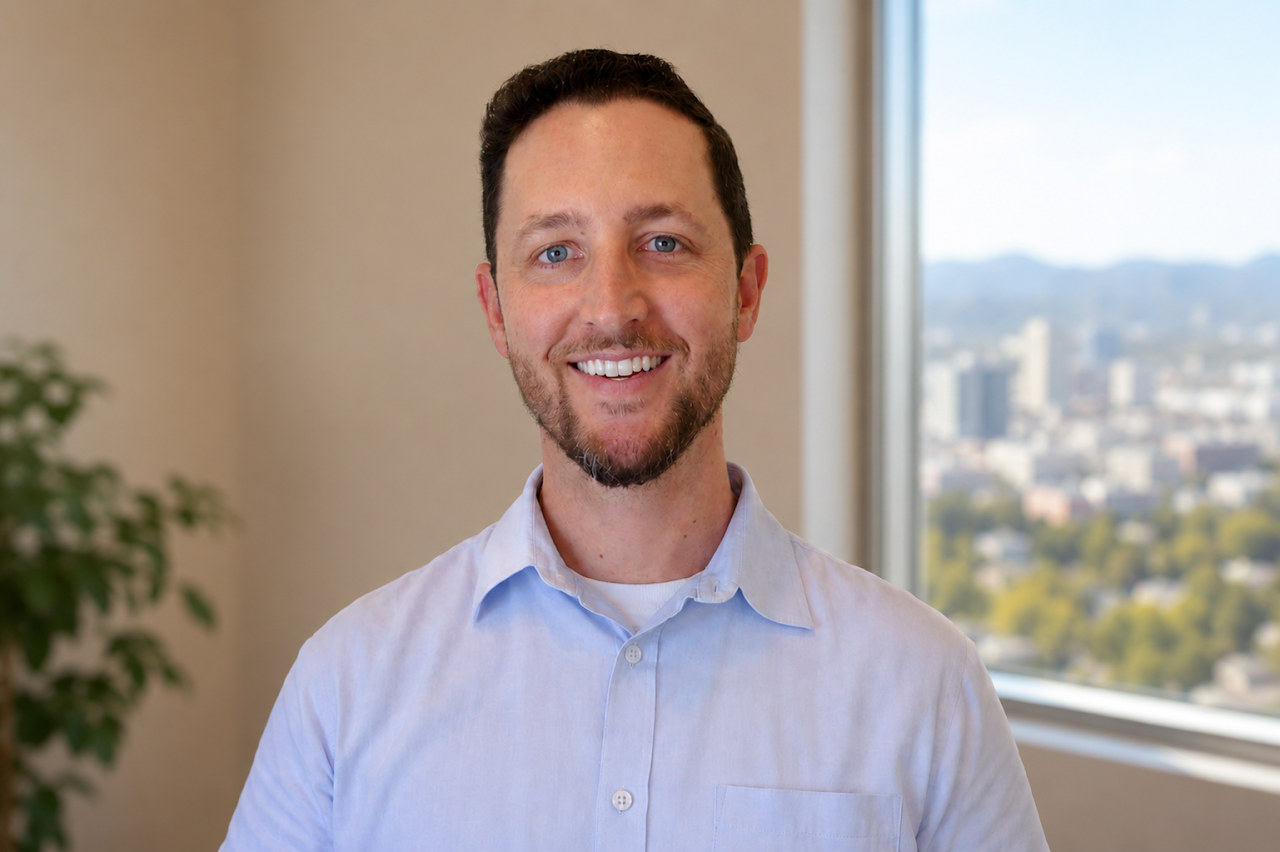
Simon N. Ferber, Psy.D.
- Professional Degree & Discipline:
- Psy.D.
- Current Position & Expertise in Program Content:
- Simon N. Ferber, Psy.D., QME is a licensed clinical psychologist, Qualified Medical Evaluator (QME), and POST-Eligible Peace Officer Evaluator with extensive experience in trauma psychology, forensic assessment, workers' compensation, and public safety psychological evaluation. He is the founder of Ferber Psychology, where he provides evidence-based psychological treatment and comprehensive psychological evaluations for individuals experiencing trauma, posttraumatic stress, and other behavioral health conditions. Dr. Ferber conducts pre-employment psychological evaluations for public safety and other safety-sensitive positions and serves as a California Qualified Medical Evaluator, performing independent psychological evaluations involving diagnosis, causation, apportionment, impairment, and medical-legal opinion development within the workers' compensation system. For seven years, Dr. Ferber served as Associate Clinical Director of the Trauma and Stress Recovery Center, where he supervised psychologists and postdoctoral trainees while providing psychological assessment and treatment for injured workers, first responders, and individuals recovering from trauma. His clinical work incorporates evidence-based interventions including Eye Movement Desensitization and Reprocessing (EMDR), Trauma-Focused Cognitive Behavioral Therapy (TF-CBT), and biofeedback. In addition to his clinical practice, Dr. Ferber has contributed to the psychological literature through peer-reviewed journal publications, book chapters, invited presentations, and continuing education programs. His scholarly work has addressed topics including insomnia treatment, dialectical behavior therapy, and cognitive psychology, and his research has been featured by national media outlets including NPR, The Atlantic, and The Huffington Post. Dr. Ferber earned his Doctor of Psychology (Psy.D.) from the APA-accredited California School of Professional Psychology at Alliant International University. He holds advanced certifications in forensic psychology, neuropsychological assessment, EMDR, Veterans Health Administration Compensation and Pension evaluations, and public safety psychological evaluation. His professional interests include police psychology, forensic psychology, trauma recovery, occupational stress, and evidence-based psychological assessment. As a continuing education instructor, Dr. Ferber is committed to translating current research into practical, clinically relevant knowledge that enhances the competence of psychologists working in forensic, occupational, and public safety settings.
Conflict of Interest Disclosure
No commercial support or conflicts of interest to disclose.
Refund & Cancellation Policy
Full refund available within 7 days of purchase if course has not been started. No refund after course content has been accessed.

Mindset Continuing Education is approved by the American Psychological Association to sponsor continuing education for psychologists. Mindset Continuing Education maintains responsibility for this program and its content.
Need accessibility accommodations? Request them here →